Nearly Free Electrons
微擾理論
能隙打開
在哪裡打開?BZ 邊界
何謂 BZ?
" The central rule of electron dynamics is that an electron once in the nth Brillouin zone remains in the nth Brillouin zone. This claim will be demonstrated in Chapter 16. "
Tightly Bound Electrons
另一種能隙形成的機制
From Omar,
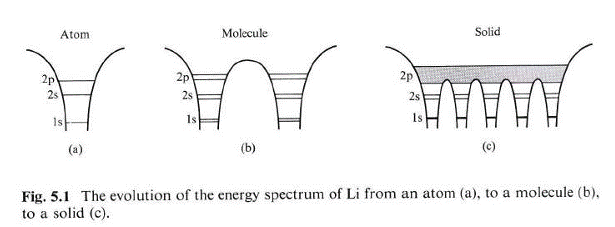
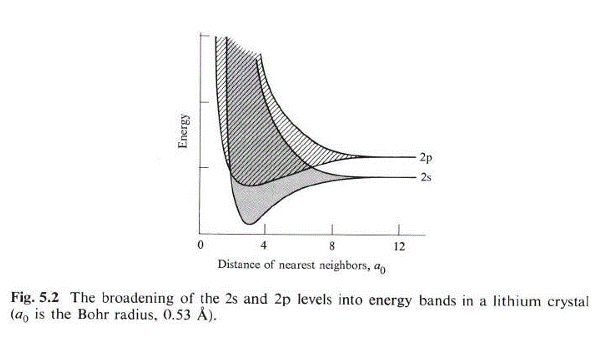
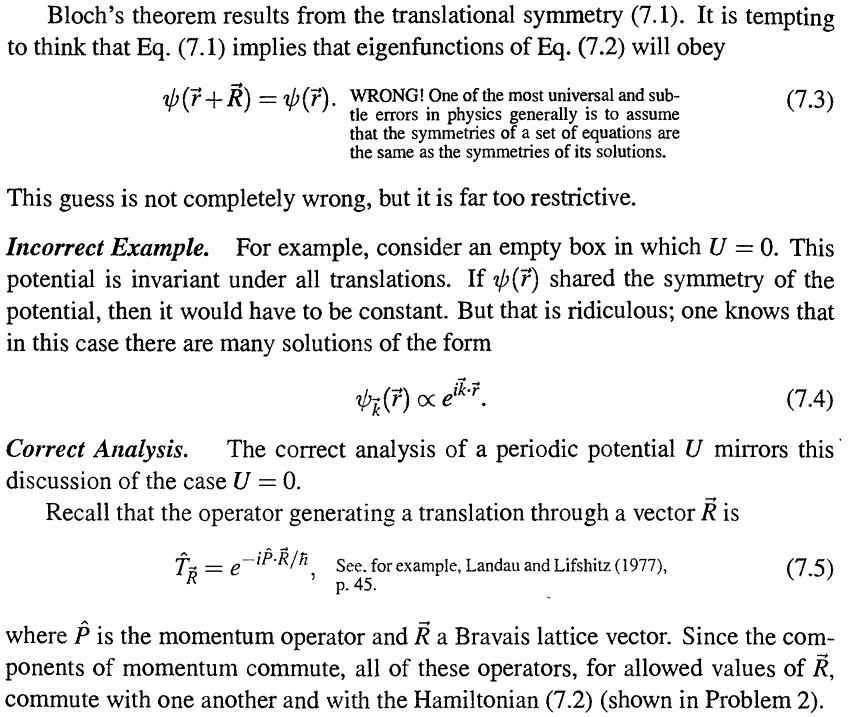
From "Ibach and Luth, Solid-State Physics : An Introduction to Principles of Materials Science"
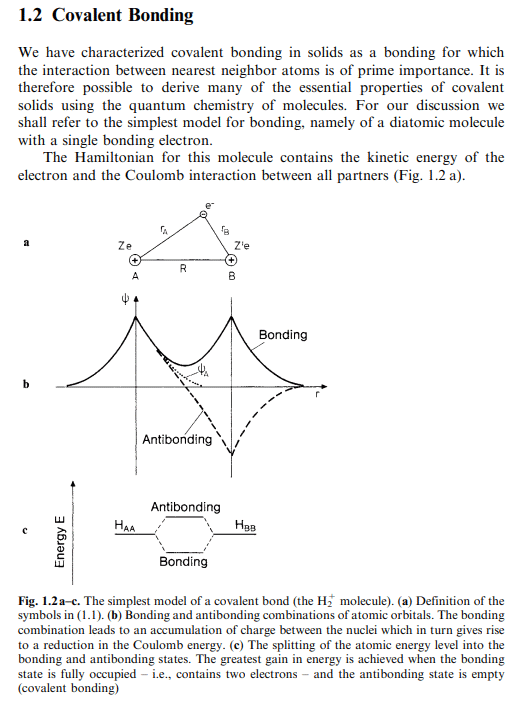
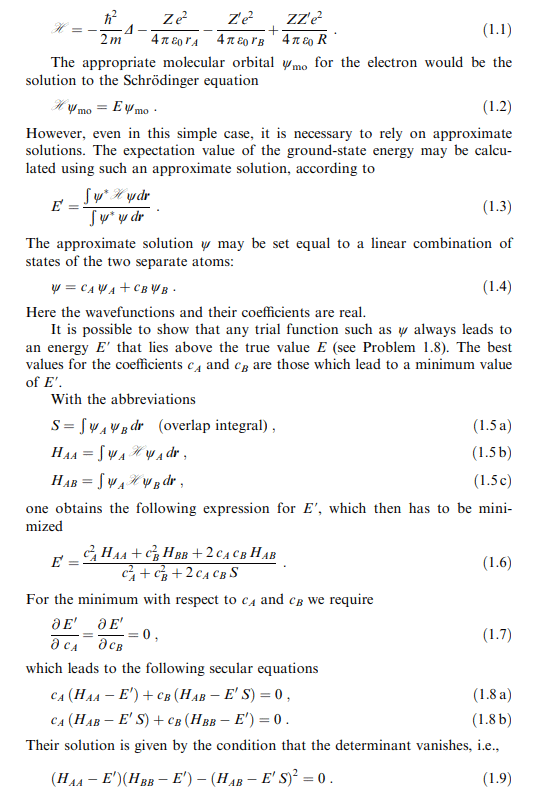
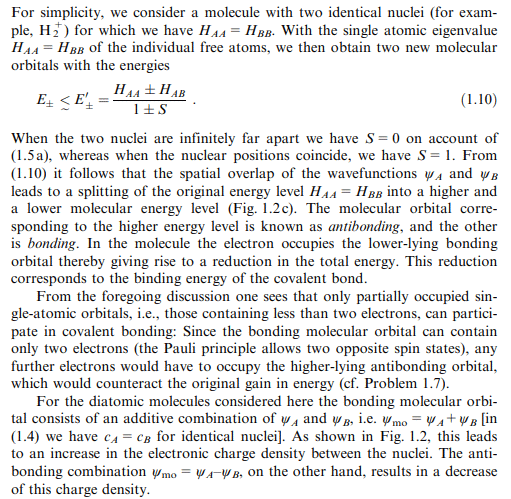
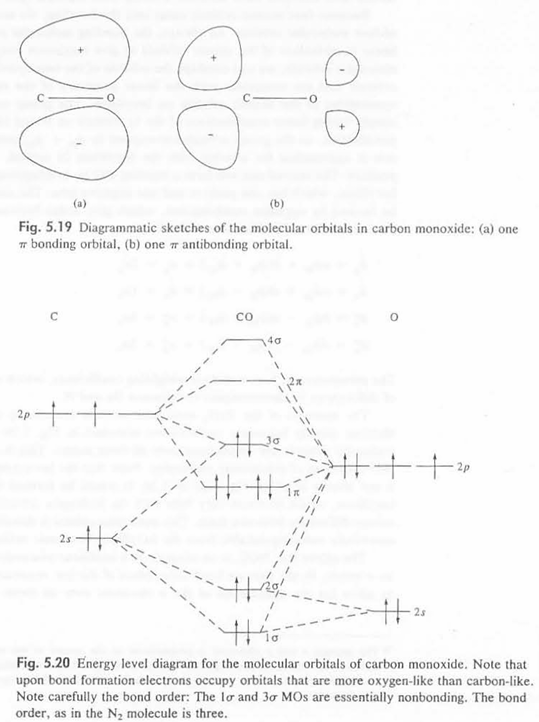
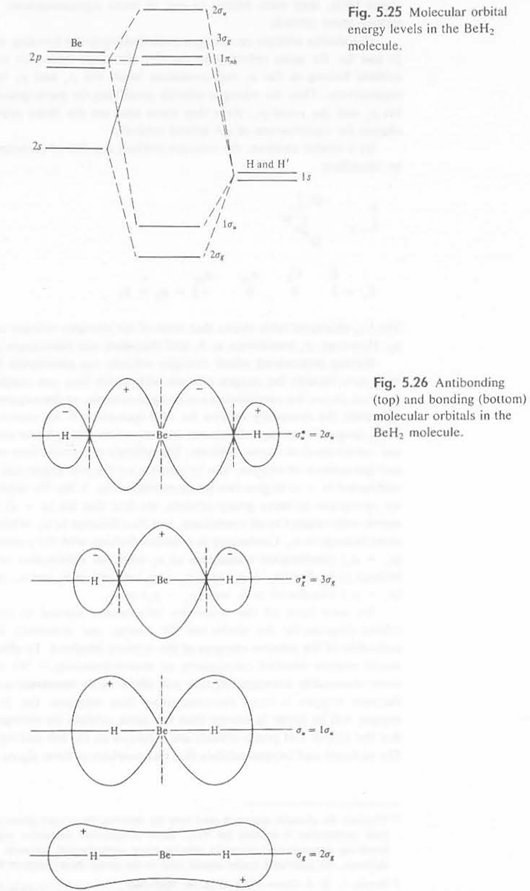
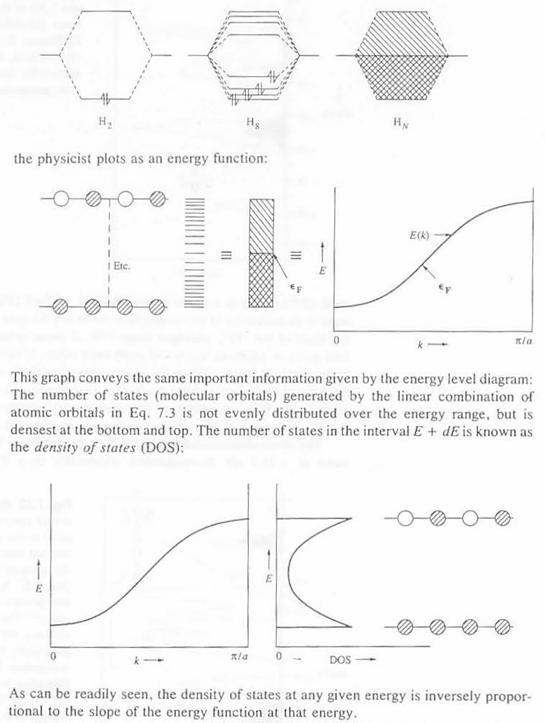
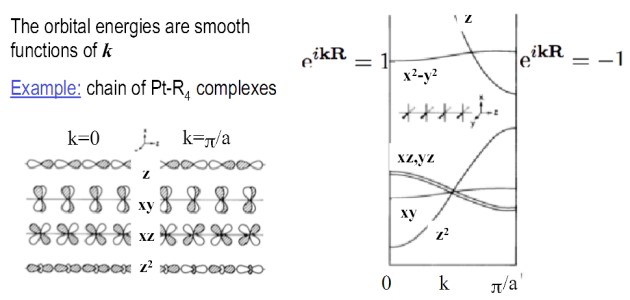
from Hoffman's book